
Office Number
(435) 527-3866
Office Number
(435) 527-3866
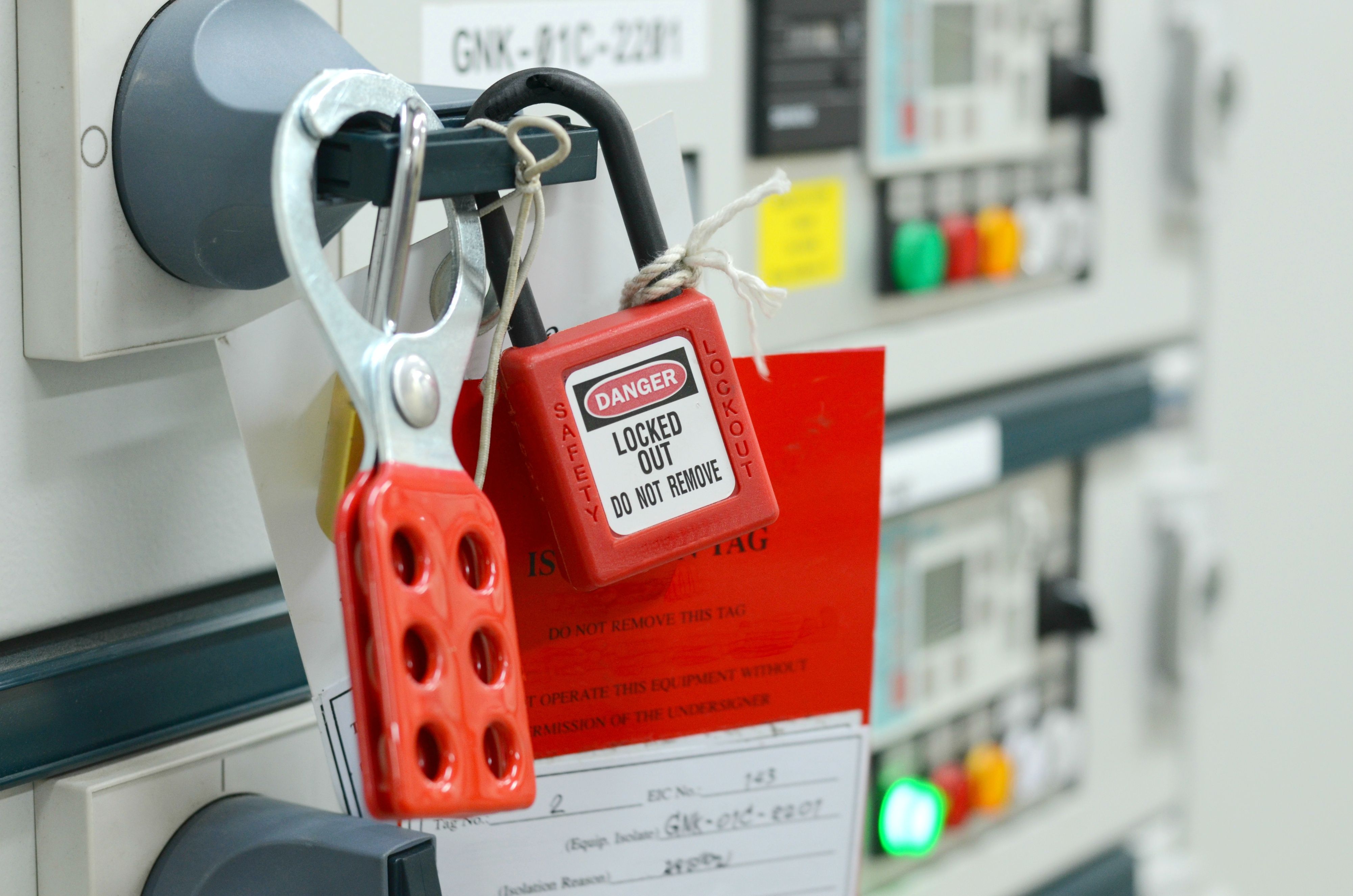
First things first: you can’t wait for things to break. We call that “reactive maintenance,” and it’s the most expensive kind! A catastrophic failure—like a motor burning out—can sideline your entire operation for days. We’re aiming for preventive maintenance (PM). PM is all about catching the tiny problems (like a loose wire or a hot bearing) before they become massive, wallet-draining disasters.
Think of it this way: your equipment is fighting three main enemies every single day.
The heart of your heavy equipment’s electrical system is usually the motor control panel and the motors themselves. They need specific TLC!
Motors don’t just die; they get sick. If you’re checking these things, you’ll catch trouble early:
Variable Frequency Drives (VFDs) and your control panels are super sensitive and expensive to replace. They need clean air and tight connections:
Manual checks are great, but professional diagnostics give you the full picture. As Master Electricians, we use advanced tools to see problems the human eye can’t spot:
This is one of our favorite tools! We use thermal cameras to see heat on your electrical system while it’s running. A “hot spot” on a terminal block or a circuit breaker, for example, is a direct sign of a loose connection or an overloaded circuit. We can find these issues in minutes and fix them before they melt down your equipment [Source 3.1].
Remember how heat and moisture break down insulation? We use specialized equipment (like a megohmmeter) to test the integrity of the motor windings and wiring insulation. If the resistance is low, it means the insulation is weak and you’re close to a short circuit failure. This test tells you exactly how much life that motor has left.
Sticking to a solid, proactive electrical maintenance plan is absolutely non-negotiable for running heavy equipment efficiently. By focusing on keeping things clean, dry, cool, and tight, you’ll dramatically cut down on unexpected breakdowns.
But let’s be real: checking connections on a VFD or running thermal scans takes specialized training and equipment. That’s why we’re here!
As the local, family-owned electrical experts in Central Utah, KMECO specializes in industrial and commercial services, including motor controls, pumps, and all the wiring that keeps your complex systems running. Don’t leave your downtime risk up to chance—call KMECO today! Let our licensed Master Electricians bring the diagnostic tools and expertise needed to safeguard your investment and keep your operation running smoothly.